
Road book
Six notes on the small decisions inside a bag: the number on the box against the number inside the pocket, what a gusset costs you, where a zip run points, and how a coating wears off. Each one ends with the pieces on our bench it applies to.
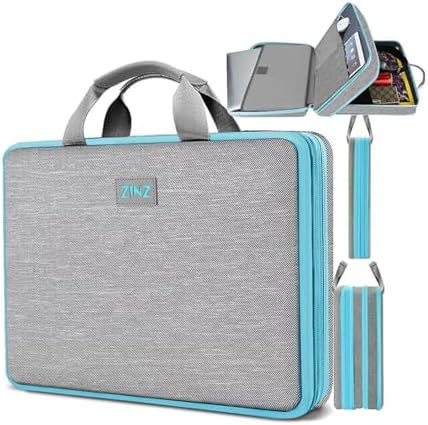
Reading a screen size before you pick a bag
The diagonal on the box and the space inside a padded pocket are two different numbers. Here is how we cut around one to serve the other.
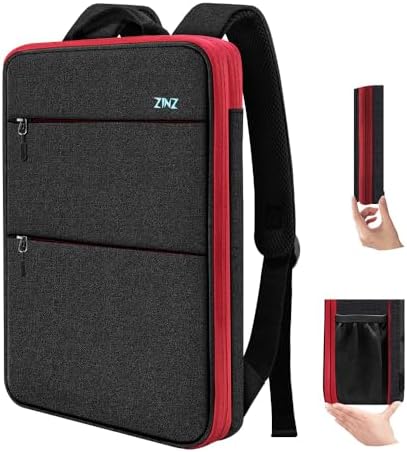
What the expansion zip actually adds
A slim pack that opens into a deeper one. What the gusset gives you, what it costs in shape, and when to leave it closed.
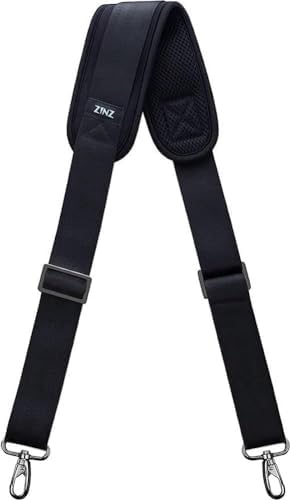
Measuring a replacement shoulder strap
End to end, not shoulder to hip. The measurement that decides whether a strap lands where you want the bag to sit.
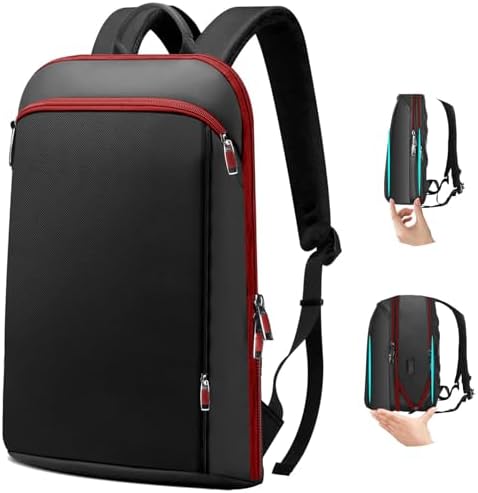
Pockets that face your back
The anti-theft layout is a matter of where the zip runs, not of a lock. What that arrangement can and cannot do for you.
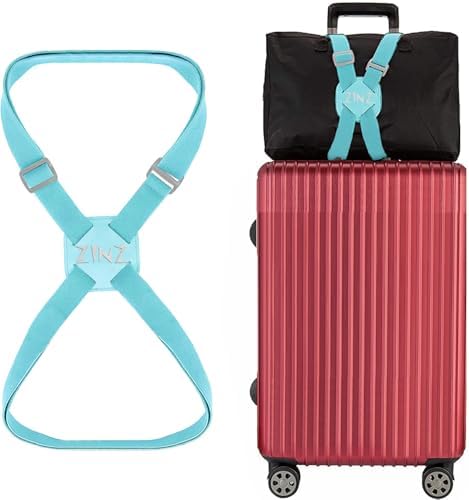
The sleeve that rides a suitcase
A band of fabric on the back panel, a belt around a case. Two small parts that decide how an airport walk goes.
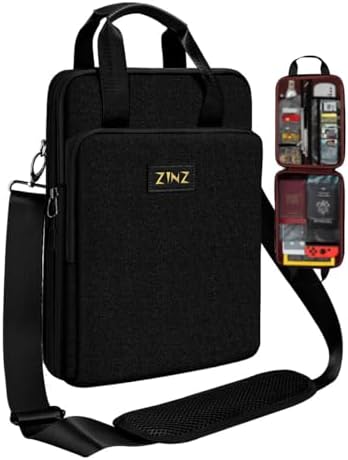
Keeping a coated shell going
Water-resistant fabric is a coating, and a coating wears. Four habits that keep it working and four that grind it off.
Why these six
They are the questions that come back to the bench most often, and none of them are answered by a spec line.
A padded pocket is cut to a shell, not to a diagonal, so the first note is about measuring your own machine. An expansion zip changes what a pack is for, so the second is about what it costs in shape. A replacement strap is bought by a number that is easy to take from the wrong two points, so the third is about where the tape goes.
The last three are about the parts people ask us to explain after the fact: a pocket layout that turns inward and what it can honestly do, a band of fabric that decides an airport walk, and a coating that is doing the water work and will not last forever. 79 pieces sit on the bench; each note lists the ones it actually covers.