Zips turned against your body
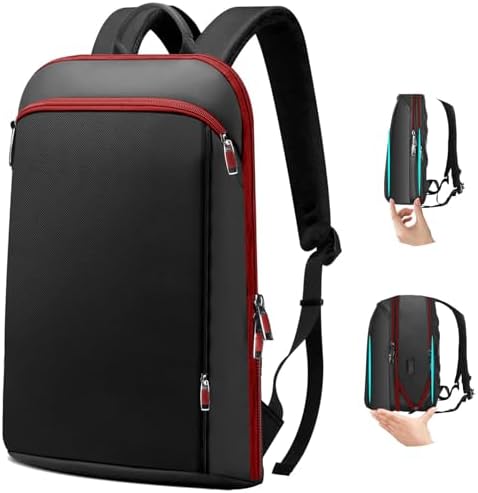
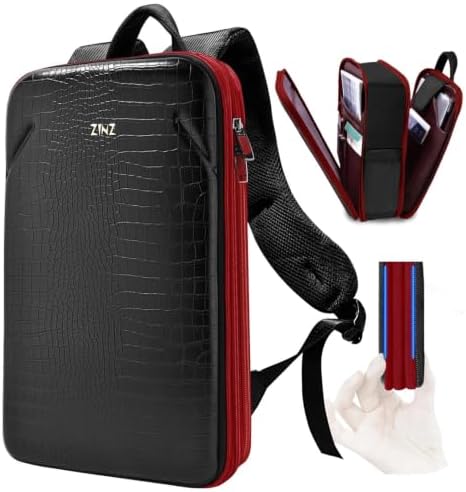
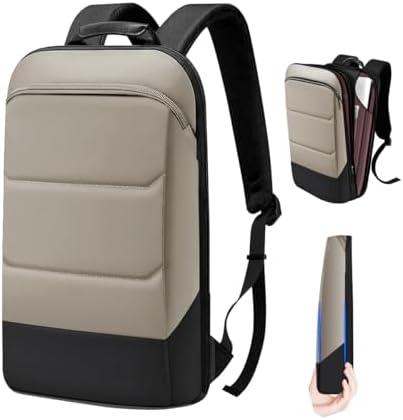
We stitch the main zip path along the rear perimeter of the shell. When you carry the pack on both shoulders, that teeth line presses flat against your spine. A hand on a crowded platform cannot pull the slider open because the fabric lip and your own body block the angle of pull. It is a mechanical obstacle, not an electronic lock.
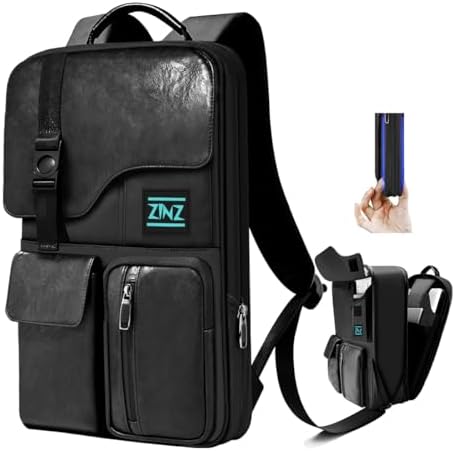
The same logic shapes the flat pocket set into the lower lumbar panel. We sink this opening behind the luggage pass-through sleeve. It sits flush against your shirts fabric. Passports, payment cards and flat train passes go there because they sit under your weight while walking.
Limits of a hidden pocket
A hidden rear zip stops a casual reach in a crowd. It does not stop a knife, and we do not use steel mesh inside our coated fabric panels. If you leave the pack on an empty cafe chair while walking to the counter, rear facing zips face the room instead of your back. The security ends the moment you set the pack down.
- It needs direct contact with your body to stay covered.
- Bulky items like power bricks create a hard ridge against your spine.
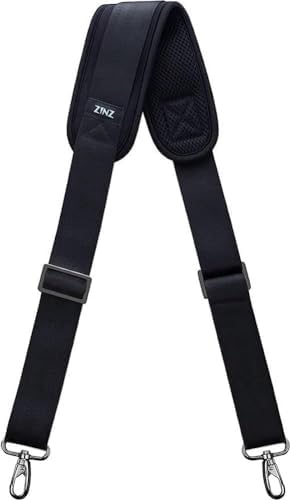
- Quick access requires sliding one shoulder strap off entirely.
- Setting the bag on a table exposes every opening to anyone nearby.
Sizing around the rear compartment
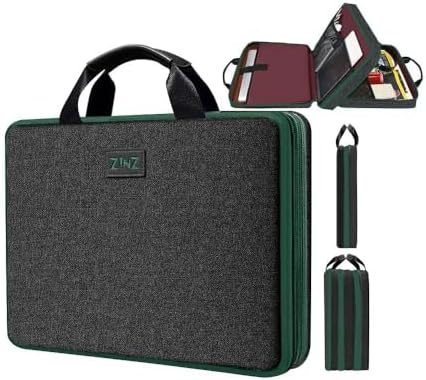
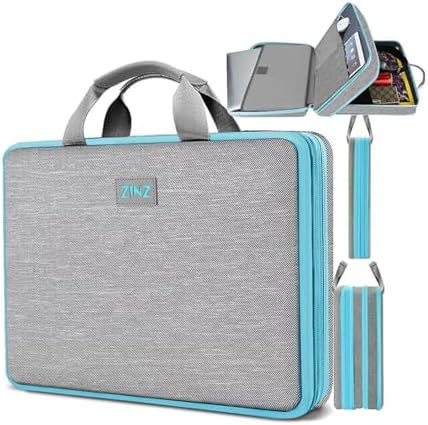
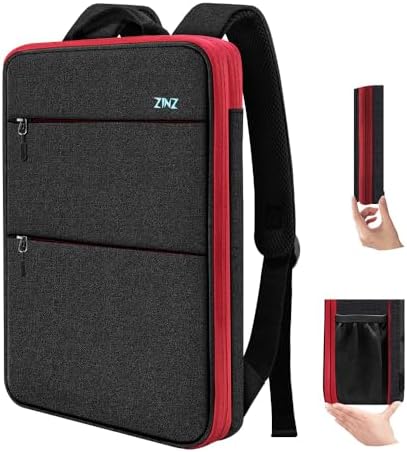
Ten laptop backpacks in our range carry this inward zip layout. We build them to take specific device footprints, matching screens from 14 inches up to 17.3 inches, with intermediate patterns for 15, 15.6 and 16 inches. The internal padded sleeve anchors directly to that same stiff rear panel to stop a heavy corner from flexing against your back.
Nine of those ten builds include our perimeter expansion zip. That second coil adds internal depth when you pack a spare layer, but the main rear zip stays anchored in place. The expansion opens outward into the front compartment, leaving your device resting against the stable back plate.
Cable routing and daily use
Four of these rear zip designs carry an external USB pass-through port on the side seam. The battery bank stays inside the main compartment behind the inward-facing teeth. You run your phone lead straight to the outer port while the power pack stays behind the closed rear wall.
You have to take off one shoulder strap to swing the pack around and reach the rear slider. That is the price of the layout. You trade rapid grab access for an opening that nobody can reach while walking behind you.