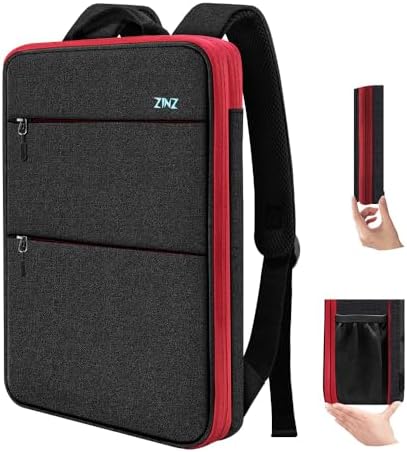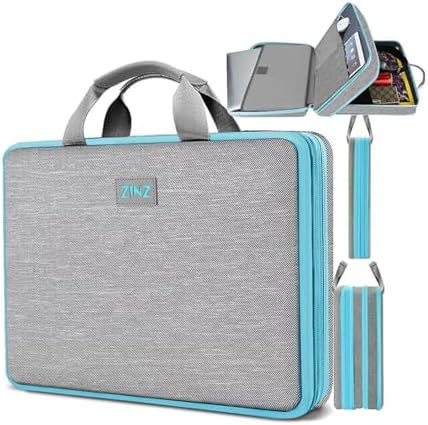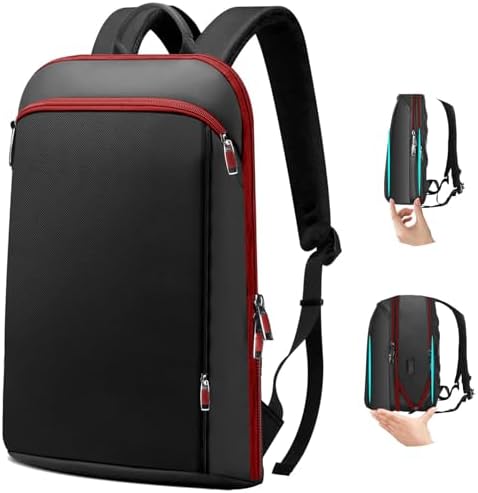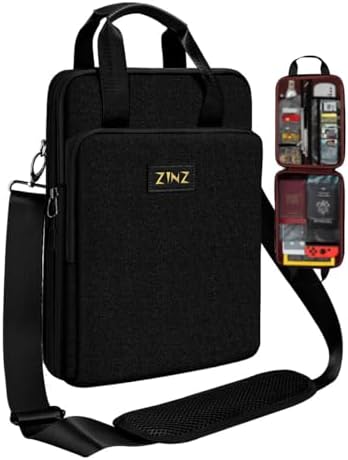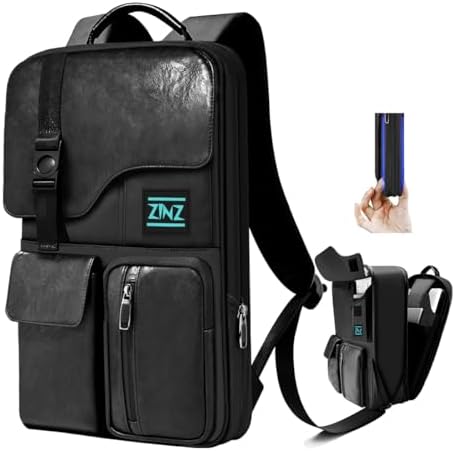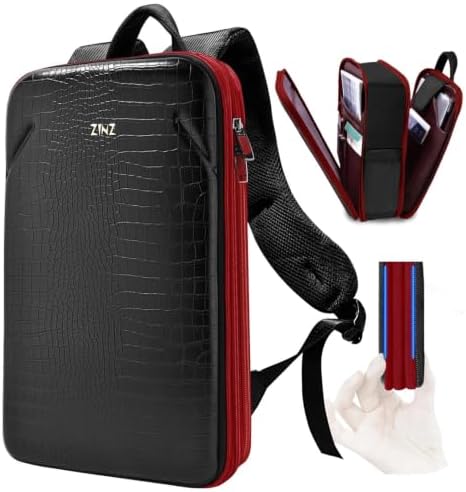
Water resistance is a surface layer
We use coated polyester and Oxford weave fabrics across our shells to shed light rain. The face side receives a treatment that makes water bunch into beads and roll off. It stops a ten minute walk in damp weather from soaking through to your laptop pocket. But it is not a rubber dry bag. Standing water or a hard storm will eventually work past the weave, especially along the needle holes where panels join.
Understanding the limits keeps your hardware dry. We print screen fits from 12.9 inches up to 17.3 inches across 41 items in our workshop. Those machines sit directly behind the front shell. If wet grit stays on the panel, it acts like sandpaper as you walk. Keeping the surface clean lets the barrier do its job without grinding away.
How we clear road grit
When dirt settles on the fabric, leave harsh cleaners in the cupboard. Solvents and hot water dissolve the face coating fast. We take a soft microfiber cloth and lukewarm tap water to wipe down the outer faces. Avoid stiff brushes. Rubbing hard on stubborn mud will strip the finish long before it wears out naturally.
- Use cold or lukewarm water on a damp rag
- Skip detergents, bleach, and spot removers
- Let the panel air dry away from direct radiators
- Wipe down the seams where dust packs tight
Zip teeth take the friction
Across 32 items with an expansion zip, the perimeter slider sees constant motion. Coated fabric protects the flat panels, but zip tape remains woven polyester. When road grit gathers in the teeth, the slider grinds every time you pull it around a corner. That wear splits the coil teeth or jams the puller entirely.
Keep the tracks clear with a quick brush using an old dry toothbrush. Pull the slider straight along the line of travel instead of yanking outward. If the gusset is packed tight to its full depth, ease the two sides together with one hand while pulling the slider with the other. This removes tension from the stitch line.
Drying out after heavy rain
If you get caught in heavy weather, do not pack the sleeve away wet inside another bag. Empty the pockets first. Unzip the main compartment and any expansion gusset so air moves through the internal lining. Polyester dries fast when it has room to breathe, but trapped moisture will break down internal backing layers over time.
Keep the wet shell away from heaters, tumble dryers, and open sun. High heat bakes the coating until it cracks and flakes off the woven yarn. Hang the bag by its grab handle in a well ventilated room at ordinary room temperature. It will be ready to carry again by morning.